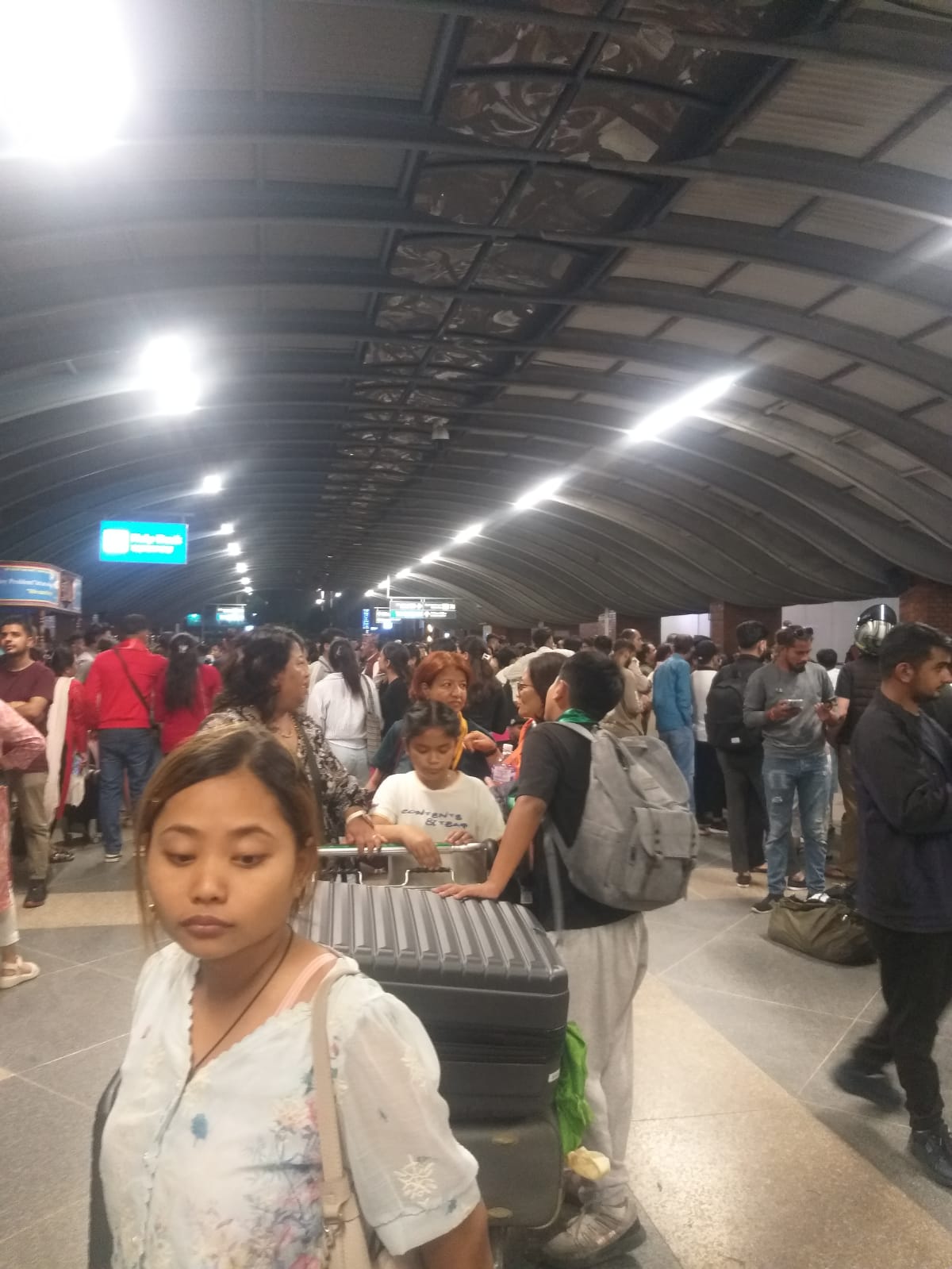
In countries with weak economies, where unemployment is a major problem, it is often women from poor and deprived families who choose foreign employment. With dreams of earning well abroad and supporting themselves, their families, and their children back home, many young men and women from the third world migrate overseas to sell their labor.
In particular, women who go to Gulf countries as domestic workers are often semi-educated or illiterate, lacking skills, facing extreme poverty, family problems, and coming from rural areas. Many such women migrate as domestic workers to Gulf countries like Qatar, Saudi Arabia, Kuwait, the UAE, Oman, and Bahrain. Most of the women choosing these destinations come from South Asia, the Philippines, Indonesia, and Africa. There, they work as domestic workers, caregivers, cleaners, housemaids, and in restaurants. Among them, about 60 percent are engaged in domestic work. Reports show that these domestic workers are the most vulnerable and most affected.
1. Problems
Among migrant women workers in Gulf countries, about 60 percent—nearly 8 million women—work as domestic workers. These workers are often deprived of the standards set by the International Labour Organization (ILO), as well as basic human rights and personal freedoms.
a) No fixed wages; forced to work 16–20 hours a day.
b) Salaries delayed, with wages withheld for 3 to 6 months.
c) Employers confine workers at home like prisoners and confiscate their passports.
d) Restrictions on changing jobs or employers based on the worker’s choice.
e) Breakdown of family relationships back home.
f) Forced labor, physical abuse, torture, rape, and sexual exploitation.
g) Denial of food, lack of proper sleep, pregnancy-related issues, sexually transmitted diseases, and physical injuries.
h) Cases of workers being found dead at home, suicide, and depression.
According to reports by Amnesty International, these are serious and widespread issues. The report also states that 3 out of every 10 migrant domestic women workers are forced to face sexual abuse.
2. Causes of the Problems
a) Lack of women worker–friendly laws in destination countries in line with ILO standards; migrant labor laws often do not cover domestic workers.
b) Lack of awareness of basic human rights among employers; many treat domestic workers like commodities that can be bought and sold.
c) The “Kafala system” in countries like Qatar allows sponsors to confiscate workers’ passports, prevents workers from changing sponsors, and restricts them from filing complaints with local authorities.
d) Open buying and selling of migrant domestic workers: According to reports by Gulf News, BBC, and Amnesty International, social media platforms such as Facebook, Telegram, Instagram, and WhatsApp frequently feature advertisements like “maid for sale,” “transfer maid,” and “cleaner available.” Workers are sold from one employer to another for prices ranging from $500 to $3,500.
e) According to Saudi Gazette, more than 50,000 domestic workers are transferred and sold each year. Human Rights Watch (2023) reports that thousands of women from Ethiopia, Uganda, and Kenya are trafficked under domestic visas and sold two to three times. Often, the workers are not even informed about these transfers. If they refuse to change employers, they may face imprisonment or charges such as “absconding.”
f) Workers who escape abuse are sometimes recaptured and resold at two to three times higher prices in so-called “escapees markets.”
g) Laws that prevent workers from leaving the country or returning home at will, along with lack of knowledge about the local language, legal system, and procedures, also contribute to the problem.
h) Employers often confiscate important documents such as passports, visas, and local IDs, or these documents may be lost. Workers live in fear of deportation. Domestic workers are also denied rest, leave, social security benefits, and insurance.
i) In sending countries, brokers and manpower agencies often deceive workers with false information, fake contracts, unrealistic promises, and sometimes even send them through illegal routes via third countries.
This situation reflects the harsh reality of modern slavery faced by many migrant domestic women workers across the world.